Male Breast Reduction (Gynecomastia) in NYC
Overview
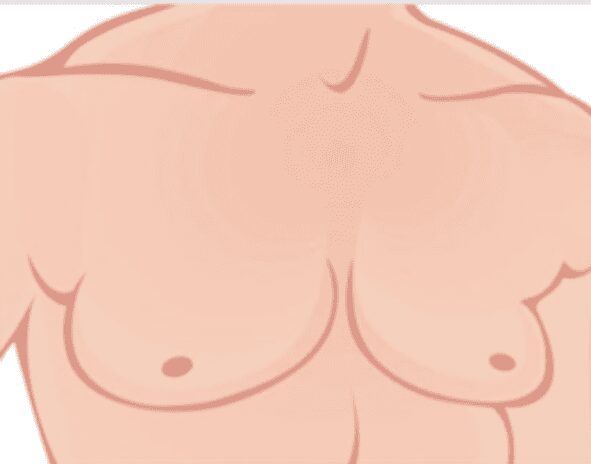
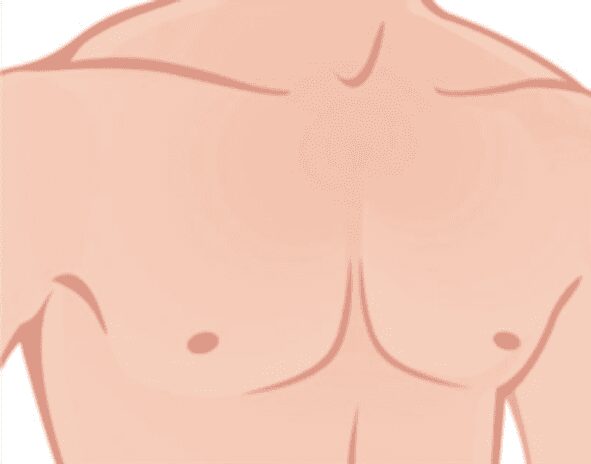
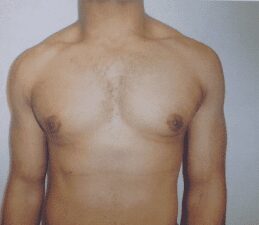
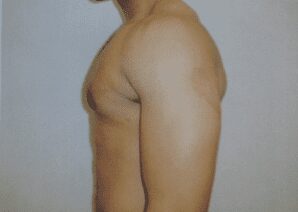
Gynecomastia — enlargement of male breast tissue — can involve excess glandular tissue, excess fat, or both, and is a common concern that surgery can address directly. Dr. Zweifler tailors the approach to what’s actually causing the fullness in your case, since fat and glandular tissue respond to different techniques.
Am I a Candidate?
Men bothered by the size, shape, or puffiness of their chest — whether from hormonal changes, genetics, certain medications, or weight fluctuation — are candidates, particularly once the condition has been stable for some time and other causes have been ruled out.
The Procedure
Depending on the degree of gynecomastia, treatment may involve liposuction alone, direct surgical excision of glandular tissue, or a combination with skin removal for more significant cases. Incisions generally follow the natural contour of the chest and areola to minimize visible scarring. This is typically performed under general anesthesia or local anesthesia with sedation.
Recovery & Results
Most patients return to work within a few days to a week, wearing a compression garment to support the new chest contour and reduce swelling. Strenuous exercise is generally restricted for four to six weeks.
Frequently Asked Questions
Will gynecomastia come back after surgery?
Removed glandular tissue does not regrow, though significant weight gain afterward can affect chest contour again.
At what age can gynecomastia surgery be performed?
It’s typically recommended once breast development has stabilized, which your consultation with Dr. Zweifler will help clarify for your situation.
Before & After